Featured
Table of Contents
Key Includes A full-featured JavaScript structure for developing ambitious web applications. Provides a powerful templating engine and information layer. Includes a router, making it suitable for single-page applications (Health clubs).
is a light-weight JavaScript framework that supplies structure to web applications. Following the model-view-controller (MVC) design pattern, it provides versatility by allowing designers to pick libraries for other components. appropriates for little to medium-sized applications and supplies designs, views, collections, and routers for organizing code. It emphasizes simplicity and allows developers the liberty to choose their favored tools for other elements of advancement.
Follows the model-view-controller (MVC) design pattern. Permits versatility in choosing libraries for other elements. Suitable for little to medium-sized applications. Provides designs, views, collections, and routers for organizing code. Highlights simplicity and permits designers to pick their preferred tools. Svelte is a modern-day framework that shifts much of the work from the web browser to the develop step.
Svelte adopts a declarative and reactive method to building user interfaces, streamlining development. Key Includes A newer structure that moves the work from the web browser to the develop action.
Removes the requirement for a virtual DOM, resulting in smaller sized package sizes and improved runtime efficiency. Highlights a declarative and reactive method to building user interfaces. Simplifies advancement by moving much of the structure code to the construct process. Supports easy integration with existing projects. Preact is a quick and light-weight option to React.
Upcoming Trends in Development Stacks in 2026
It is developed to be effective and is suitable for performance-critical applications. Preact focuses on simplicity and modularity, making it a perfect option for jobs where a smaller library size is essential without sacrificing the convenience of React-like advancement patterns.
Developed to be efficient and suitable for performance-critical applications. LitElement is a lightweight and efficient JavaScript library for developing web elements. LitElement simplifies the procedure of producing and handling web elements by supplying a reactive information system and a concise syntax for defining parts.
Secret Features Reactive data binding for efficient updates. Light-weight and focused on developing web components. Design template rendering with LitHTML. Simplified syntax for developing and extending elements. Part of the broader Lit stack for thorough web part development. jQuery is a fast, light-weight, and feature-rich JavaScript library designed to simplify client-side scripting in web advancement.
jQuery has actually been widely used for lots of years and was especially popular when web browser compatibility problems were more prevalent. While its use has declined with the increase of modern-day JavaScript structures, it still has a big ecosystem and is present in lots of legacy jobs. Secret Features Simplified DOM control and traversal.
Reinventing the Mobile Web Without the App StoreAnimation and impacts for improved user experience. ASP.NET Core is an open-source, cross-platform structure developed by Microsoft for building contemporary, cloud-based, and scalable web applications. It is a complete redesign of the older ASP.NET structure and is optimized for efficiency and flexibility.
Will AI-Driven Development Impact Frameworks in 2026?
It is especially popular for constructing enterprise-level applications. Key Features Cross-platform compatibility (Windows, macOS, Linux). Supports structure web APIs, MVC applications, and more.
is particularly beneficial for including interactivity to static or server-rendered HTML. It focuses on simpleness and ease of integration, making it accessible to developers who choose a lightweight alternative to more feature-rich structures. Secret Features Declarative syntax for including interactivity to HTML. Light-weight with a small file size. No develop action needed; easy to integrate into existing tasks.
Stresses simpleness and readability in the code. Suitable for smaller projects and enhancing static HTML pages. Semantic UI is an interface structure that supplies a set of theming and styling parts for structure responsive and aesthetically attractive web applications. It is developed with human-friendly HTML and CSS conventions, making it easy to understand and utilize.
Key Features Human-friendly and semantic HTML and CSS syntax. Big library of UI parts, consisting of modals, types, and buttons. Easy integration with other JavaScript structures.
How Decoupled Architectures Boost SEO ROI
It supplies a responsive and mobile-first technique to style, making it appropriate for tasks requiring a strong foundation for responsive web development. Secret Includes Responsive grid system for design versatility. Modular method with adjustable styles and parts. Flexbox and CSS grid assistance for modern designs. Theming abilities for easy personalization.
is a JavaScript library that enables the execution of Model-View-ViewModel (MVVM) architecture in web applications. It simplifies the advancement of vibrant interface by providing a declarative binding system. enables designers to create responsive and interactive UIs with less boilerplate code, as changes in the information design automatically upgrade the associated UI elements.
Supports the MVVM pattern for arranged code structure. Works well with other JavaScript libraries and structures. Tailwind CSS is a utility-first CSS structure that offers a set of low-level energy classes for styling HTML components.
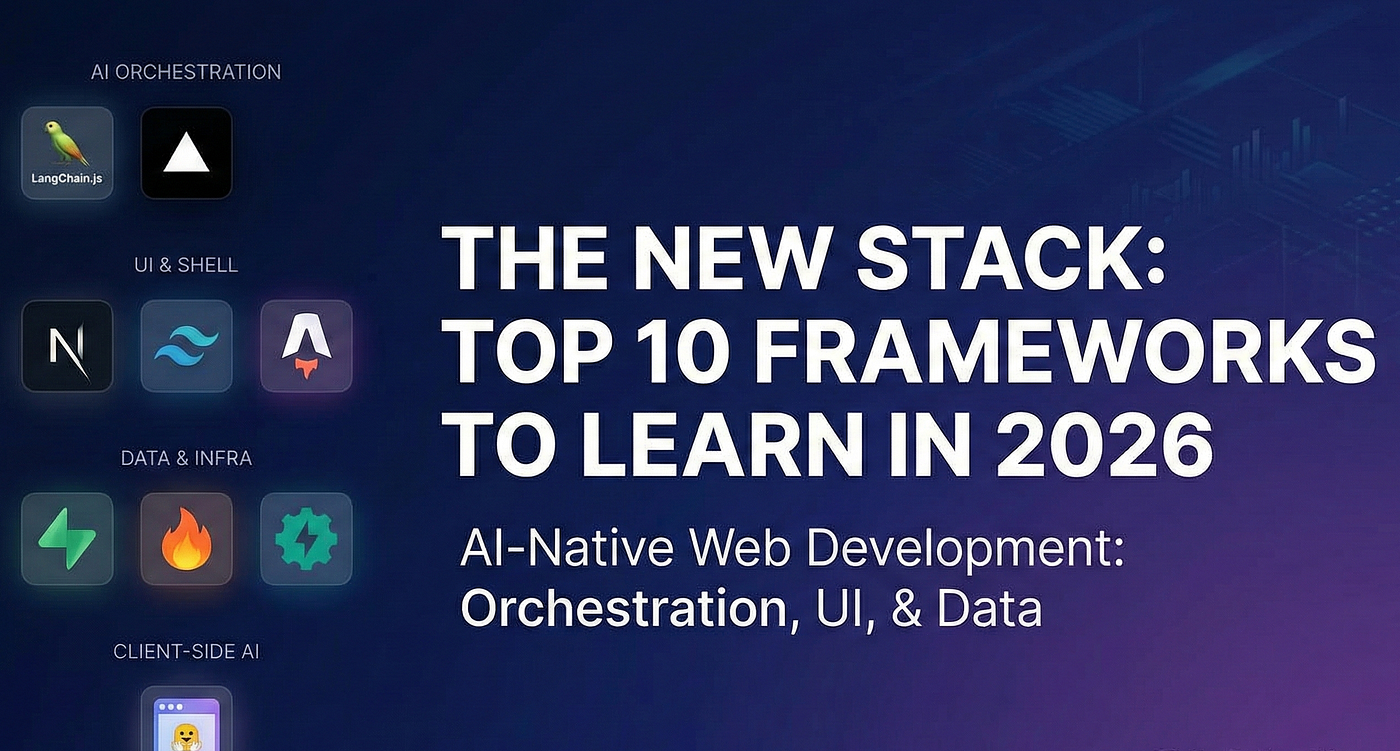
Secret Features Utility-first method for flexible and fast styling. No pre-designed parts; encourages developing distinct designs.
PurgeCSS integration for enhanced production builds. is a minimal and flexible web application structure that offers a robust set of features for web and mobile applications. It is known for its simplicity and unopinionated nature, allowing developers to structure their applications as they choose. Secret Features Minimalistic and unopinionated.
Improving User Experiences through Decoupled Design
Ideal for building Peaceful APIs and web applications. It uses features like automated code splitting, server-side rendering, and easy page routing, allowing developers to produce performant and SEO-friendly web applications.

Django is a high-level Python web structure understood for its simpleness, versatility, and focus on efficiency. It follows the Model-View-Controller (MVC) architectural pattern and promotes the use of reusable components, making it appropriate for building a wide range of web applications.

Latest Posts
Boosting Search Performance in Generative Search Systems
How API-Driven Architecture Benefits Scaling Enterprises
AI vs. Legacy Processes: What Wins?